
Archive photos
Browse documentary images of lantern rooms, masonry details, weather marks, and changing coastlines preserved across decades.
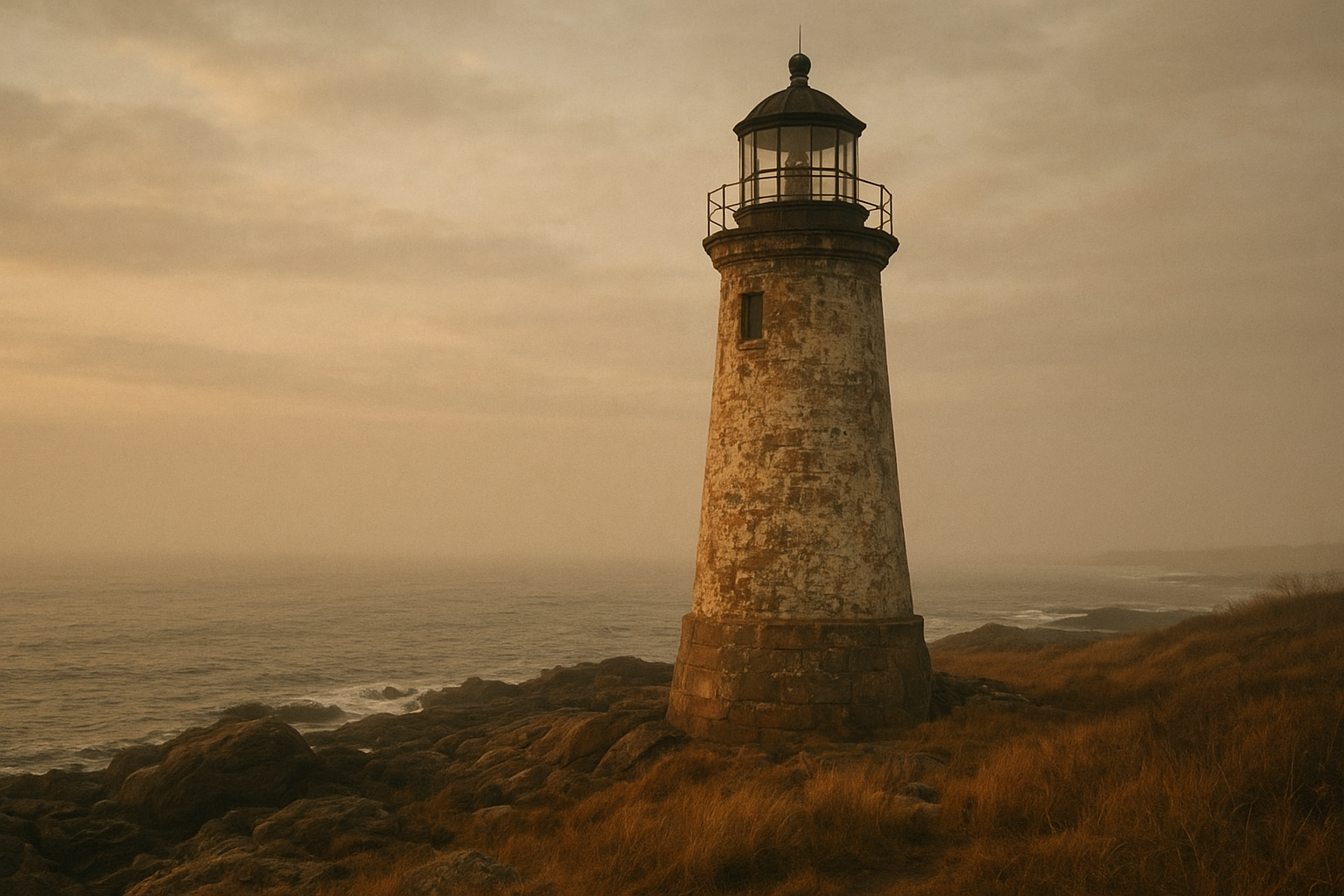
Northern Coast Lighthouses
Explore weathered towers, keeper memory, and maritime architecture preserved along the edge of sea and stone.
Explore the collection through documentary photographs, keeper narratives, and a map of preserved towers along the northern coast.
Browse documentary images of lantern rooms, masonry details, weather marks, and changing coastlines preserved across decades.
Read concise accounts drawn from logs, letters, and oral history that trace daily routines, storms, repairs, and signal duty.
Navigate a clear guide to surviving sites, with historical context for each tower and practical wayfinding for on-location visits.
Highlighted towers
A short index of representative lights across the northern shoreline, selected for architecture, service records, and surviving site character.
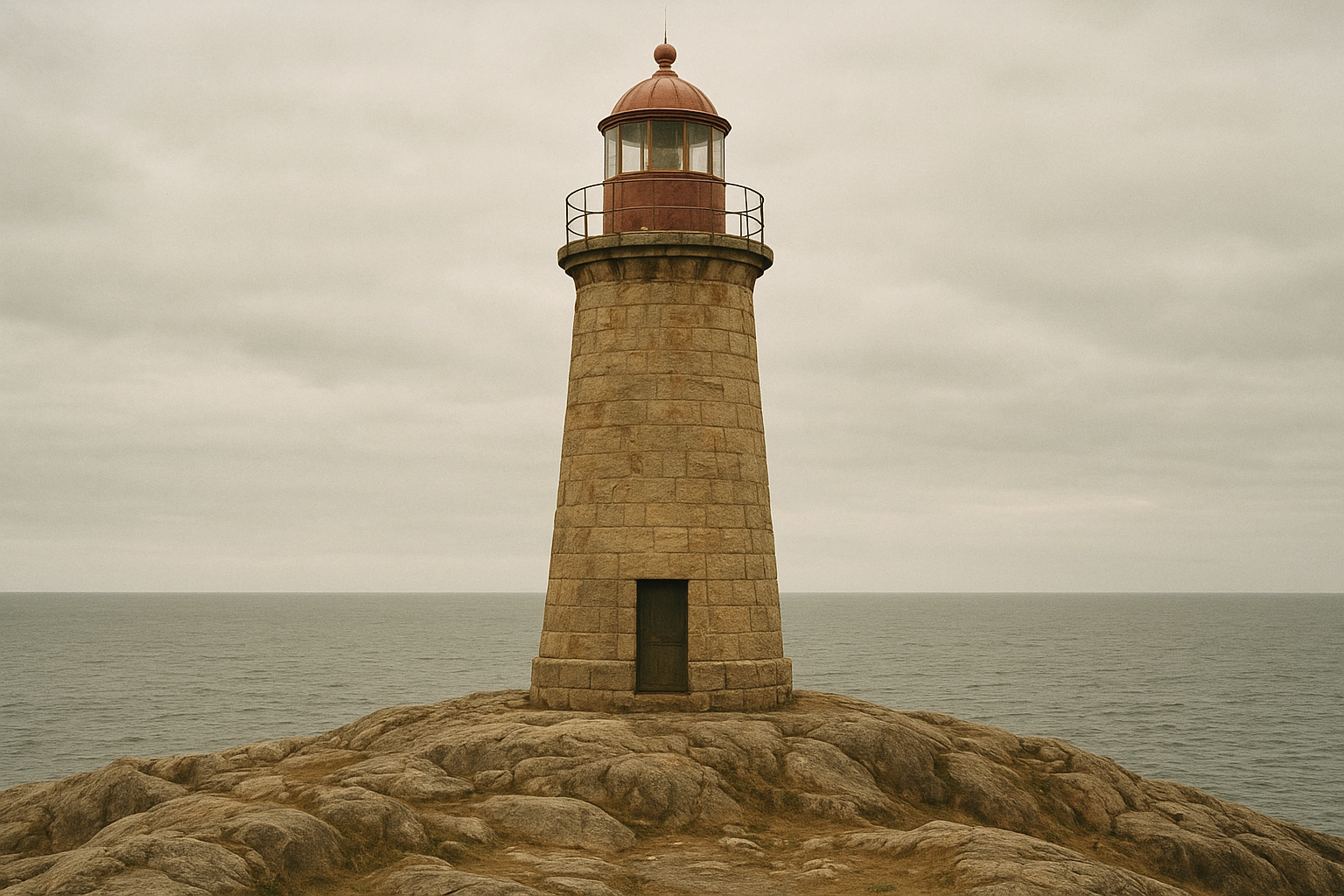
Granite tower with an early Fresnel conversion, documented in coast guard logs from the 1880s.
Harbor Reach, Alder Bay
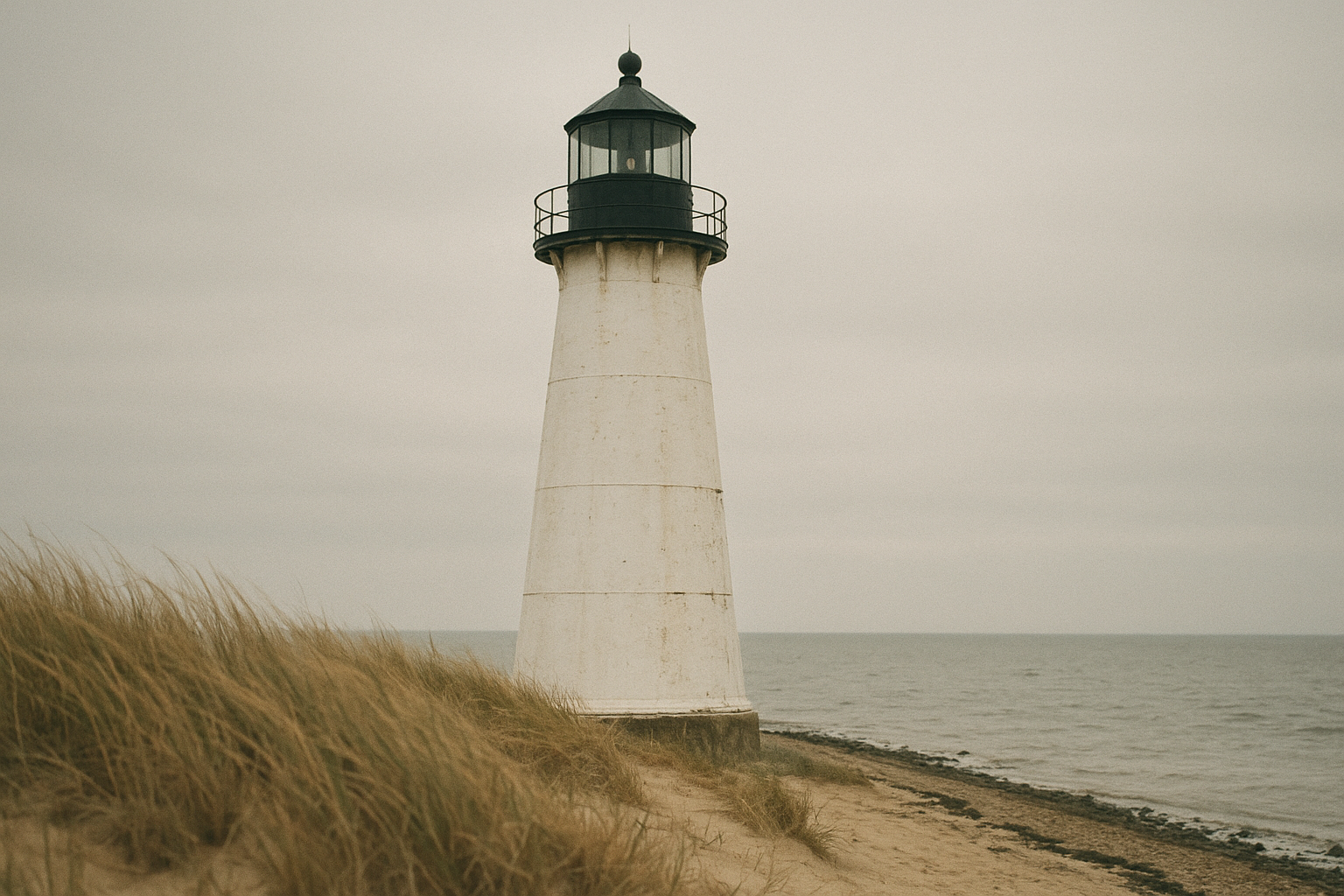
Late-nineteenth-century cast-iron prefabrication adapted for severe winter fog lanes.
Outer Bracken Point
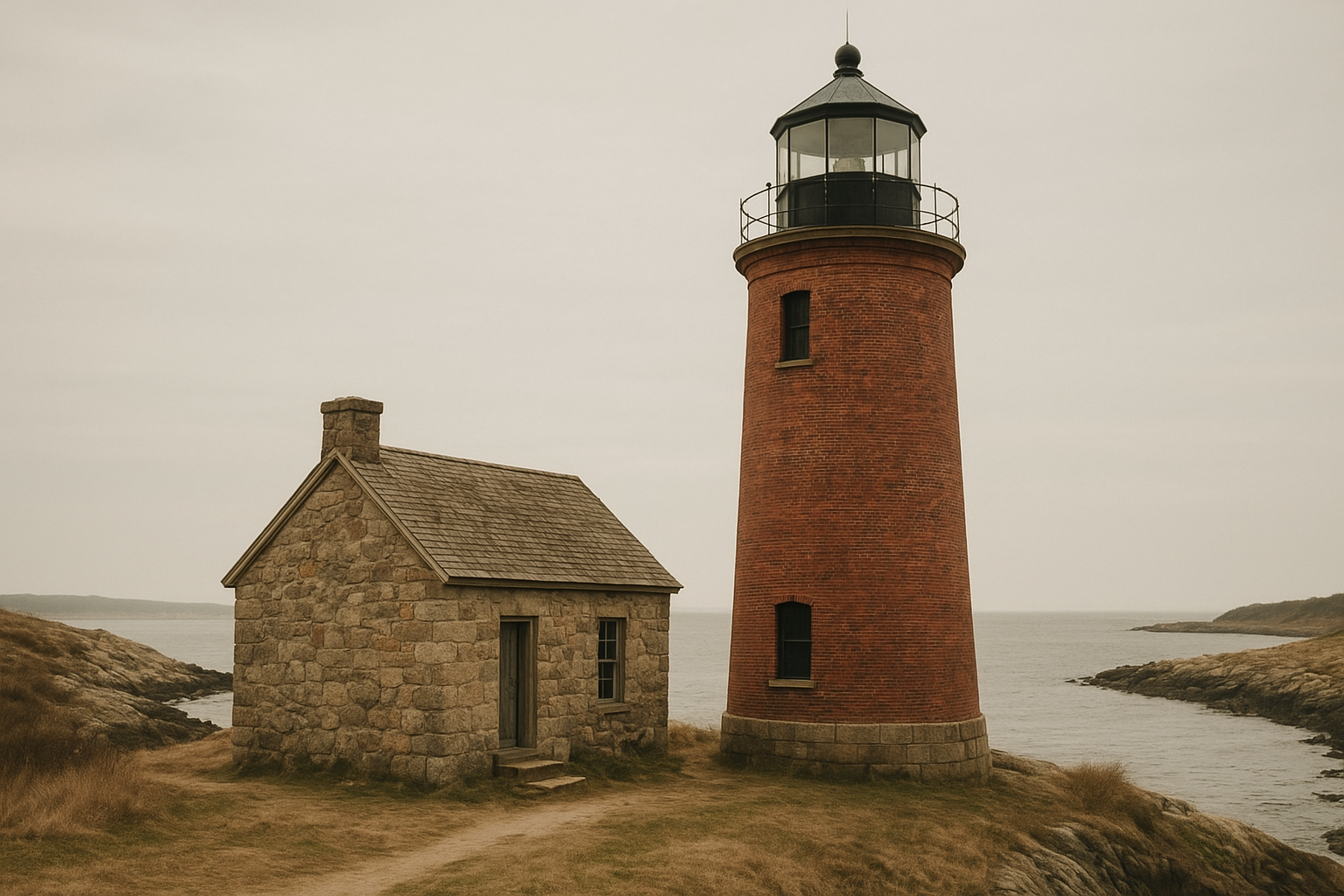
Octagonal brick landmark preserved with its original service annex and signal yard.
Marrow Inlet, East Sound
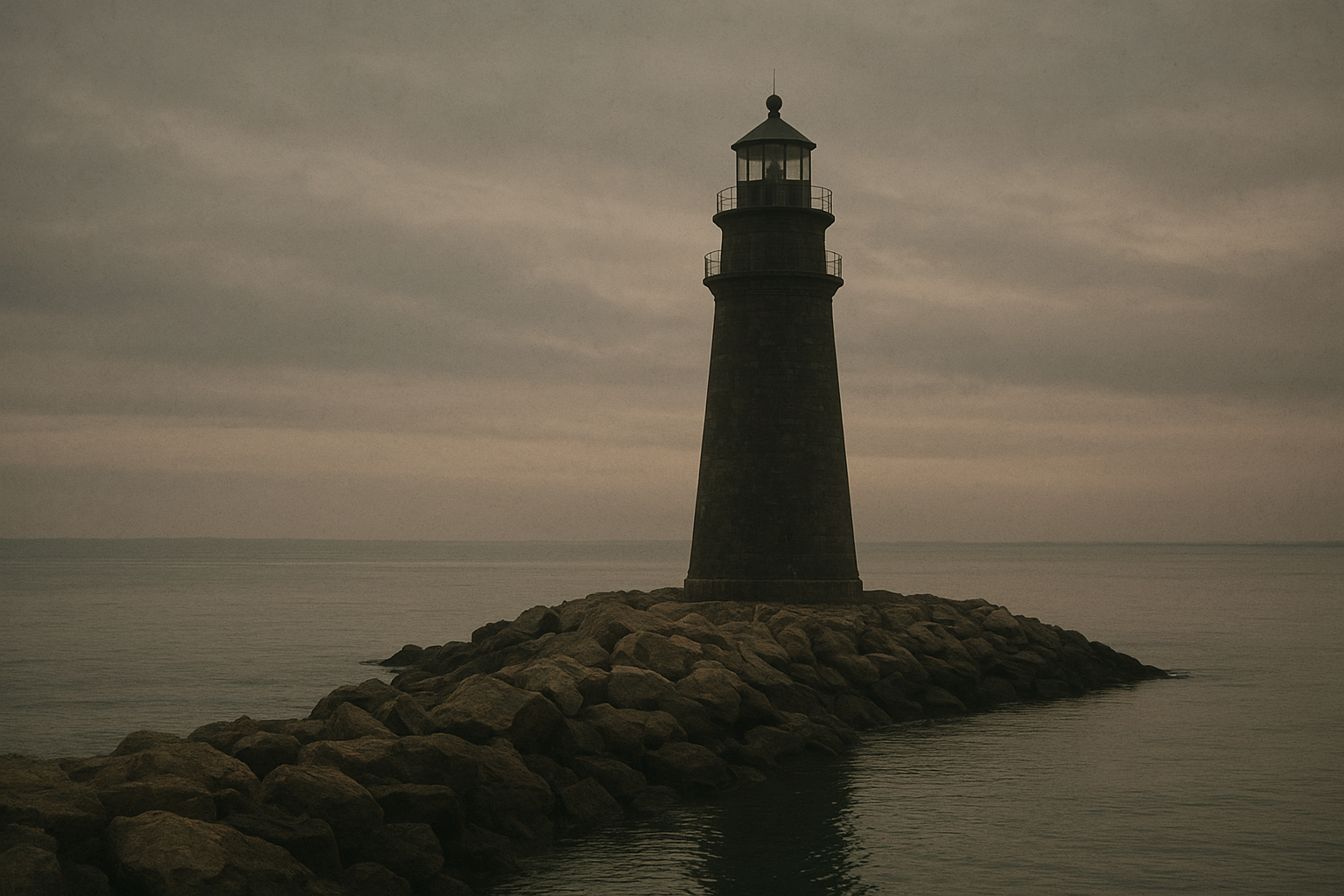
Harbor-approach light noted for keeper diaries describing wartime blackout routines.
Cressida Quay, North Reach
Historical sequence
From first beacons to present-day interpretation, these milestones place northern coast towers in a clear historical arc.
Stone and brick towers were first raised at hazardous headlands, creating dependable night signals for coastal fishing and packet routes.
As trade lanes widened, additional lights formed a chain of wayfinding points that helped vessels round shoals and river mouths in poor weather.
Logbooks and family accounts document long shifts, fuel handling, weather watching, and the domestic routines that sustained isolated stations.
After automation reduced staffing, local trusts and heritage groups stabilized surviving towers, lantern rooms, and access paths before loss accelerated.
Today, archive photography, oral histories, and mapped tower records connect researchers and visitors to a living coastal heritage landscape.